
Before a brief gets answered, something important needs to happen. It needs to reframe the human truth underneath the business problem. Not the feature to communicate or the audience to target but the real tension that exists between what a product offers and what a person actually feels.
When that truth is found and named clearly, it becomes a lens that allows creative teams to know where to aim. Channels stop being isolated executions and start becoming a coherent journey. The work becomes easier to make, easier to judge and far harder for a competitor to replicate. That's creative at its most useful and the Mama Money briefs are a good example of what it looks like in practice.
Brief one:
Get Lesotho customers to choose Mama Money as their remittance service, switching from Mukuru or Shoprite.
Brief two:
Once they're sending money get those same customers to adopt the digital card that makes the service faster, safer and more useful.
Same audience, same product ecosystem but two very different moments of trust. The temptation is to treat them as separate campaigns with separate messages. But underneath both was a single friction; people don't change behaviour even towards something better unless the new thing feels safe, familiar and worth the effort.
The Market Reality
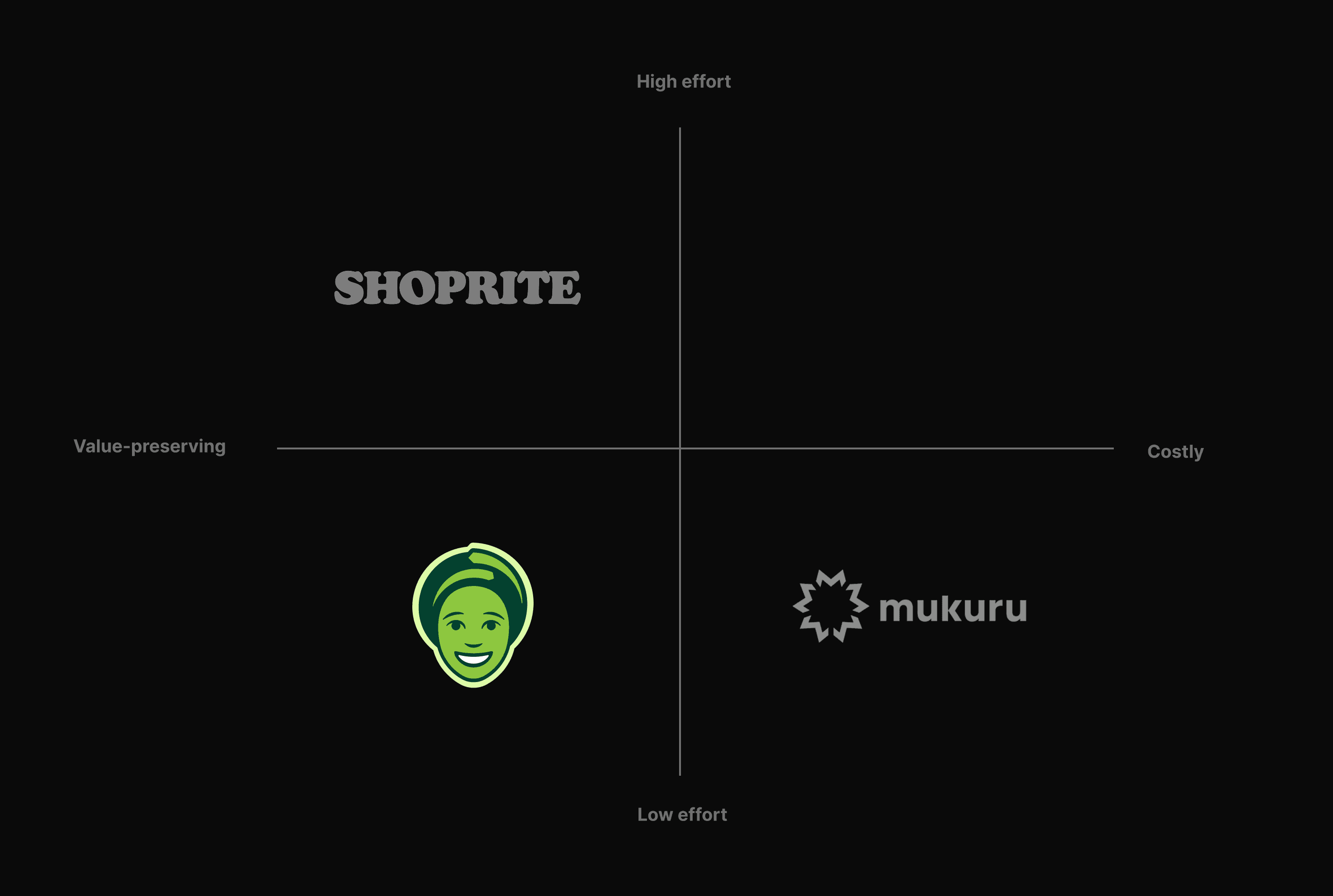
Mama Money sits in a genuinely interesting position. Shoprite is cheaper but demands significant effort with more queues, travel and time. Mukuru is convenient but more expensive and relies on brand familiarity. Mama Money is both low effort and value preserving but that positioning isn't landing because the advantages weren't felt by Lesotho customers.
The card brief had its own specific barrier as many customers believed they needed a work permit to get the card which isn't true. But you can't correct a misconception with a feature list. The belief is emotional so the response has to be too. This is the same person who just started trusting Mama Money enough to send their first transfer, the card needs to deepen that message.
How other brands implement this truth
This pattern of finding the human tension and building everything around it is what separates brands that redefine their categories from those that just compete in them. Two examples come to mind:
Oatly
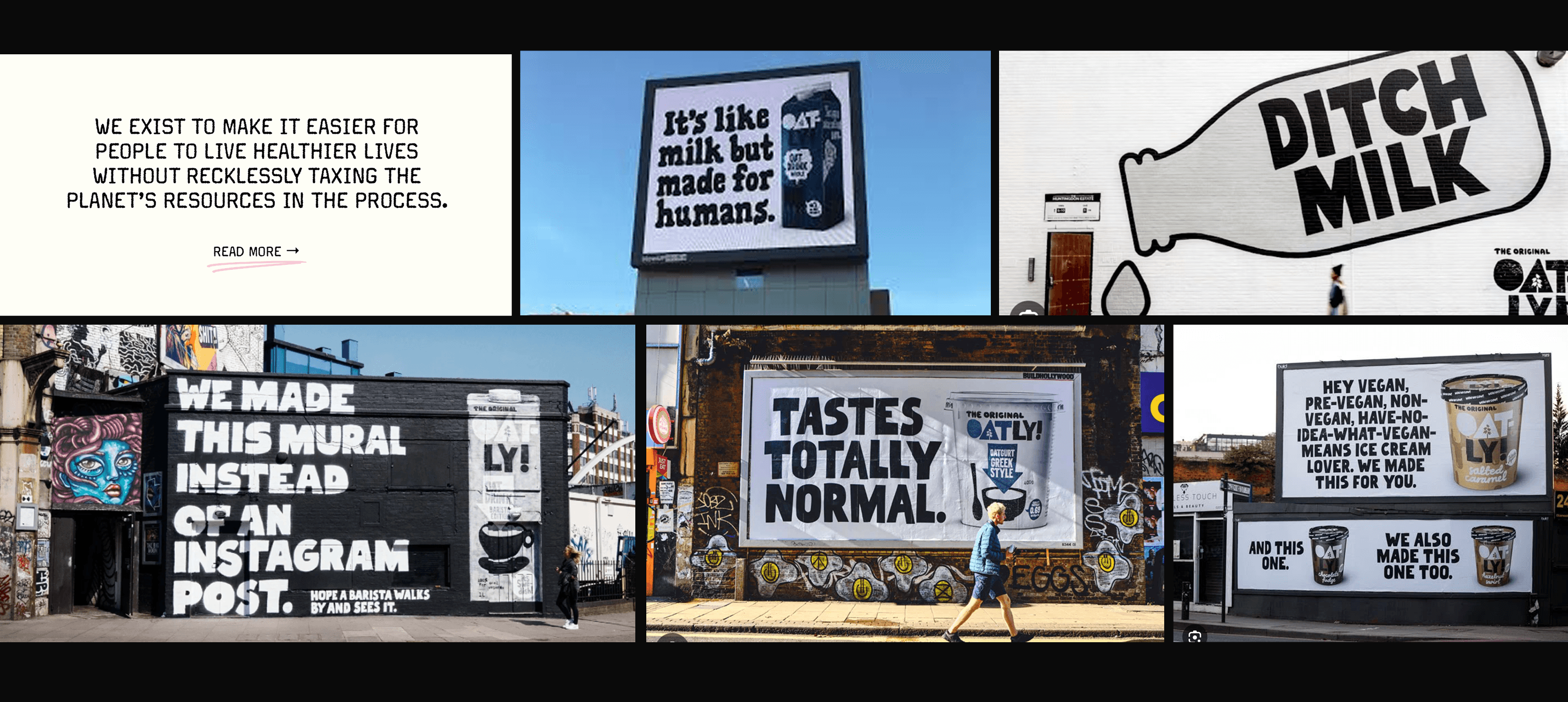
Oatly's insight wasn't "oat milk is healthier." It was that people are tired of being judged for their choices. They removed the pressure, made switching feel low risk, familiar and used humour to disarm the preachy associations of ethical consumer goods. Once that truth was clear every creative decision had a filter. The result was a brand that felt easy to choose.
Duolingo
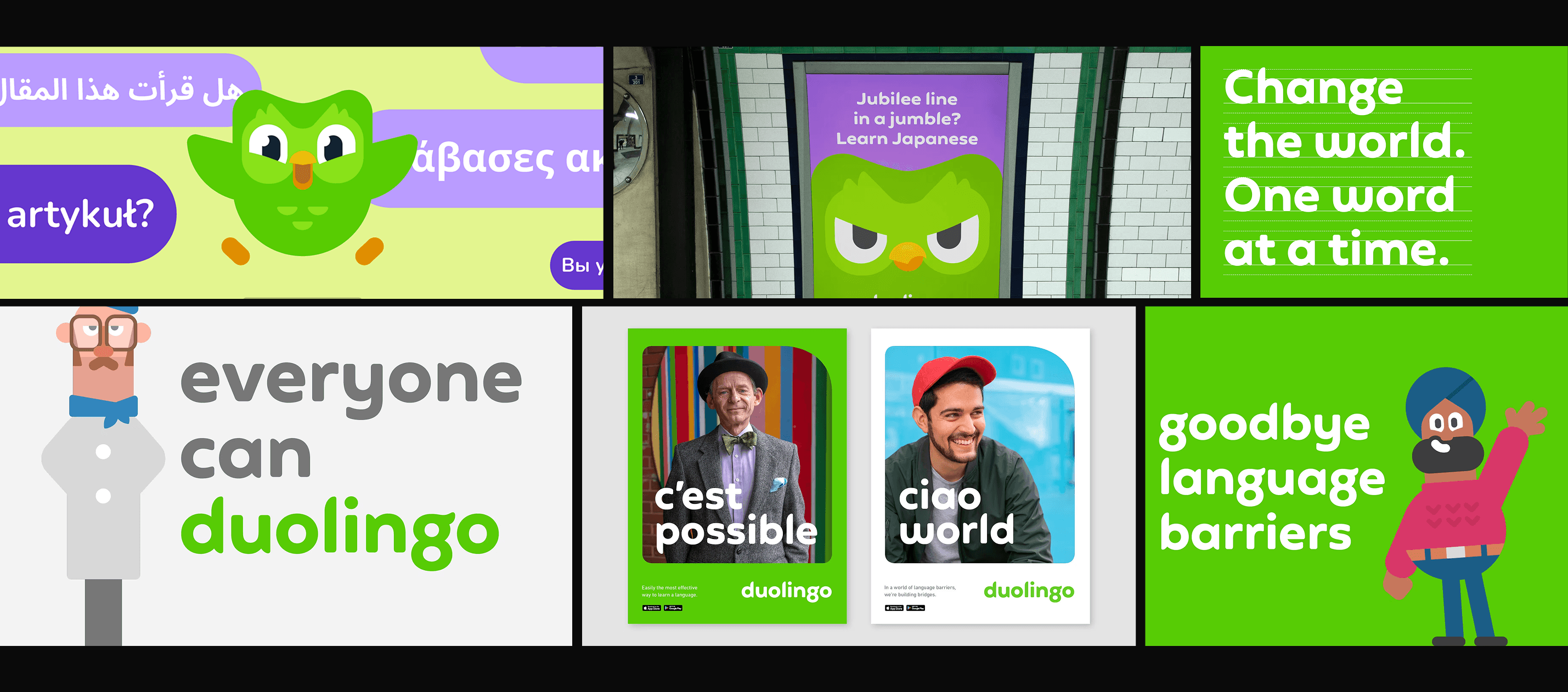
Duolingo's insight wasn't "language learning is possible." It was that people fear failing and feeling stupid. So they made starting cost nothing, framed progress as small and forgiving and made the whole experience feel designed for real people with busy lives. That human truth gave their creative teams a clear lens: does this make learning feel safer or scarier? Everything flowed from that.
Yoco
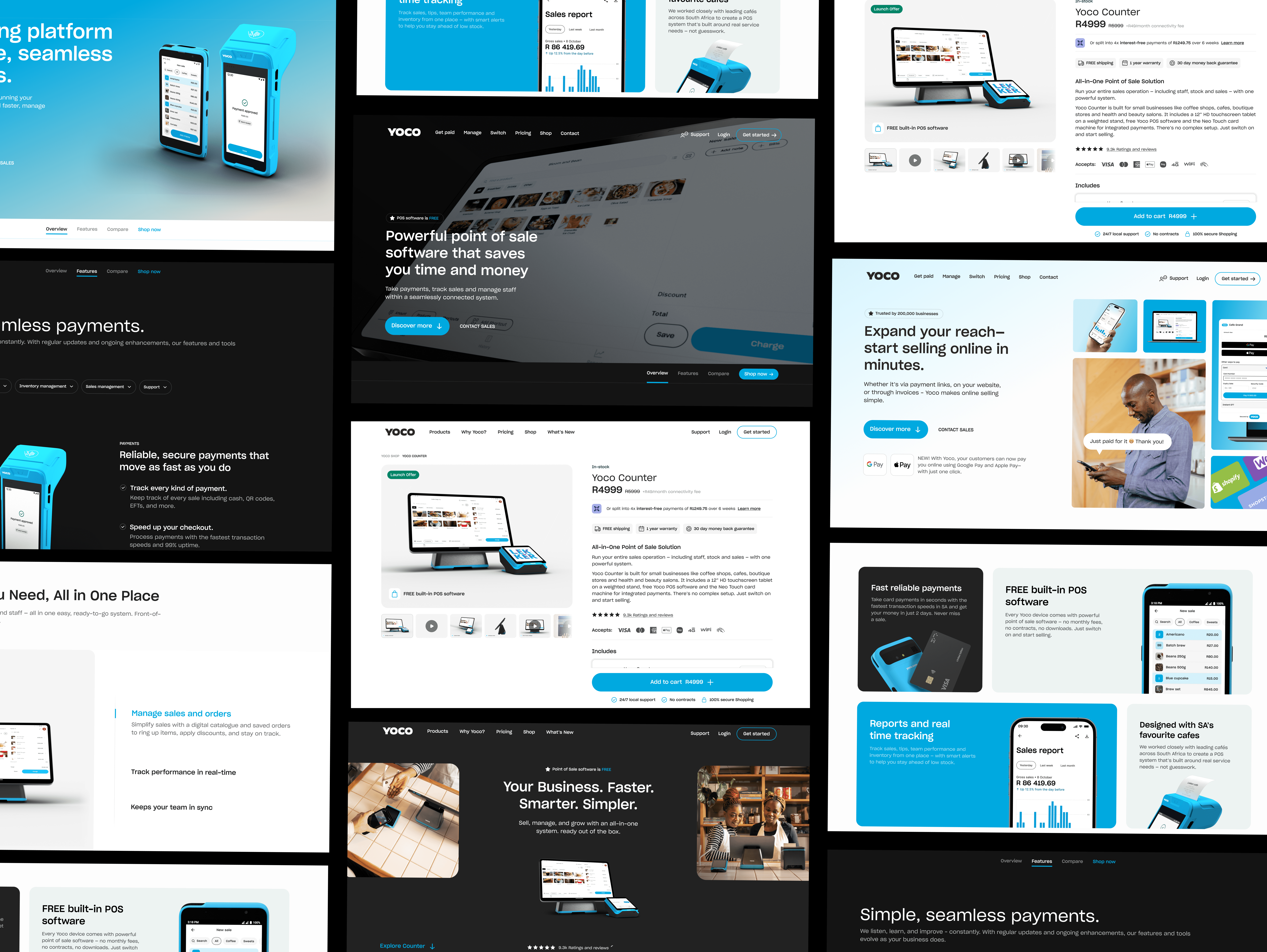
Yoco's insight wasn't "card payments are easier than cash", it was that small business owners are tired of being treated like they don't count. Banks, payment infrastructure and business tools were all built for big companies first with small merchants as an afterthought.
Yoco removed that and made accepting card payments and getting access to the tools feel like it was always meant for someone like you, a hair dresser, a restaurant or a freelancer building something from scratch. The human truth wasn't about technology, it was about belonging and acknowledging that small business owners are brave and giving them the tools to match that courage.
Once that truth was clear then every product decision every piece of communication and every brand touchpoint had a single filter does this make a small business owner feel like they matter?
The result was a category redefined not by being cheaper or faster but by being the first to genuinely design for the person. Customers felt it too, people would say Yoco felt like having a big brother in business, someone in your corner that was helping you grow.
These brands didn't change their message by channel, they changed how the same truth showed up at each stage of the journey. That consistency rooted in a single human insight is what made the work feel coherent across every touchpoint.
Finding the Human Truth for Mama Money
For Lesotho customers the truth is this: sending money home isn't a transaction, it's an act of care. Every rand in fees, every hour in a queue, every trip to a Shoprite is time and money taken away from family. The stakes are personal not financial.
Once you name it that way the card stops being a separate product to sell. It's the next natural step in that same act of care; less risk of theft, no queues and more control. The question shifts from "how do we get customers to adopt the card?" to "how do we show them it's the same promise?"
Both briefs collapse into one: how do we help people feel confident enough to take the next step?
"Less of your time. More of your money." is not a tagline, but a lens that gives every piece of creative a reason to exist.
The Lens Shapes the Platform
With the human truth named Less of your time. More of your money. Simple enough for a poster in a taxi rank. Deep enough to carry across the entire journey, truth does not require persuasion.
The lens also changed how the execution needed to work across the funnel. Rather than two separate campaigns with separate creative approaches the thinking pointed to a single connected journey, the same person, the same truth at different moments of confidence.
At the top, awareness needed to show up where Lesotho customers actually are: taxi ranks, corner shops and queues. Bold, simple, human. Not a feature explanation but a feeling - this is for you and it's easier than you think.
Once someone is using the service the card conversation could begin naturally. Not as an upsell but as a continuation of the same promise. CRM and in-app moments do the educating: clearing up the work permit myth, showing the card in real-life use making the benefit feel tangible rather than abstract.
At every stage the message doesn't change, only how it shows up. That's what makes the creative feel coherent rather than scattered and the journey feel human rather than manufactured.
Why it didn't land
This brief came as part of a interview for a Head of Design role. Mama Money felt the thinking was solid but what they needed was someone to guide designers to keep it on brand, approve layouts and operate as a design manager. That's a legitimate need but it's a different one and it's a gap worth naming. What creative leadership can be and what it gets hired to do is often where the most valuable work disappears, not because the thinking isn't there, but because the organisation didn't know to make room for the process of understanding human nature.
This is where the role of creative leadership becomes concrete, enabling a team to understand human truth isn't a strategic exercise that gets handed off before execution begins. It's the foundation that makes impactful design possible.
When it's clear, designers don't have to guess what the work is trying to say. They have a lens. They can ask "Does this feel true?" rather than "Does this look good?" and those are very different questions. That clarity is what allows creative to scale across channels without losing coherence.
It's what turns a brief into a brand and it's the thing that's hardest to replace when it isn't there.
Want to create an experience that actually connects?
I help teams map and design journeys that feel intentional at every touchpoint so nothing falls through the cracks and nothing feels accidental.